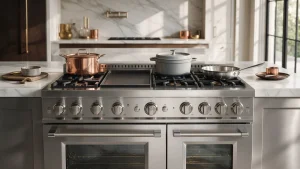
Range
A range complaint is most useful when it is described as an operating condition rather than a guessed failed part.

Specialized Fisher & Paykel Appliance Repair in San Francisco
Mon–Sat: 8:00 AM – 7:00 PM
This reference helps organize useful information before range service. Start with the complete model or product code and the actual behavior you observe; avoid choosing a part from the symptom alone.
Range · in-home diagnosis
This reference helps organize useful information before range service. Start with the complete model or product code and the actual behavior you observe; avoid choosing a part from the symptom alone.
A range pairs a cooktop with an oven cavity, and the two sections can fail independently, so a burner that will not light says little about whether the oven bakes correctly.
Fisher & Paykel appliances can differ substantially across product generations. Exact identity is especially important when a family name covers multiple control systems, sizes, installation types, or regional variants.
For each symptom, note whether it is constant or intermittent, what operating stage triggers it, and what changed immediately before it began. A clear timeline is often more useful than a broad description such as “not working.”
Clicking that continues after a burner has lit is a different observation from clicking that never produces a flame, and saying which one you hear points diagnosis toward different parts of the ignition system.
Locate the rating label and record the full model/product code, including meaningful letters or suffixes. Use the Fisher & Paykel model directory to match that identity to the correct reference material.
For a range, the gas or electric supply it was built for is part of its identity, so the suffix on the label matters when parts or settings are compared.
Do not substitute a nearby model because the exterior looks similar. Control logic, components, wiring, plumbing, venting, and fault definitions can differ even within the same appliance category.
Stop using the appliance for smoke, burning odor, visible arcing, repeated breaker trips, uncontrolled heating, active water near electrical parts, gas odor, or severe movement. Do not remove protected panels, work on live voltage, adjust gas components, bypass safety devices, or open sealed refrigeration systems as an owner check.
A built-in or tightly fitted appliance interacts with cabinetry, ventilation space, drain routing, water supply, electrical connection, floor level, and door or drawer alignment. If a symptom appeared after remodeling, moving the appliance, replacing a filter, changing plumbing, or restoring power, include that history.
San Francisco housing adds practical access variables as well. Older flats can have narrow stairs and compact kitchens, while newer towers may require concierge entry, elevator reservations, or loading coordination. Those details help plan the visit without changing the technical diagnosis.
If the appliance shows a code, use the Fisher & Paykel error-code library and match the code to the correct appliance family and model/platform context. The same short code can be reused with a different meaning elsewhere in the product line.
Treat a code as evidence that narrows testing. It does not automatically prove that a specific component should be replaced.
It identifies the appliance platform more reliably than appearance or a family name and helps keep diagnostic information tied to the correct control generation.
No. A code is a diagnostic clue whose meaning depends on the correct appliance and model context.
Avoid protected-panel removal, live electrical testing, gas adjustment, sealed-system work, interlock bypass, and technician-only service procedures.
A range complaint is most useful when it is described as an operating condition rather than a guessed failed part.
A1 on a Fisher & Paykel wall oven means the oven overheated. Cooling down clears it.
A2 is a door lock error at the start of Self Clean on a Fisher & Paykel wall oven.
A3 means the door stayed locked after a Self Clean cycle finished on a Fisher & Paykel wall oven.
F101 on a Fisher & Paykel convection and microwave combi oven is listed as a power board fault.
Four combi oven codes that Fisher & Paykel lists as board communication errors.
Fifteen combi oven codes that Fisher & Paykel lists simply as board errors.
36-inch freestanding range — repair reference for burner and oven faults.
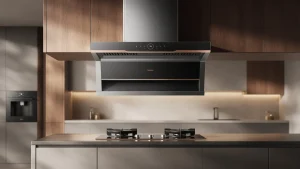
This reference helps organize useful information before rangehood service.
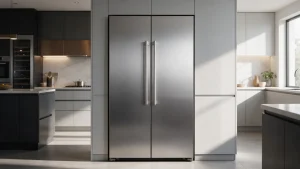
This reference helps organize useful information before refrigerator service.
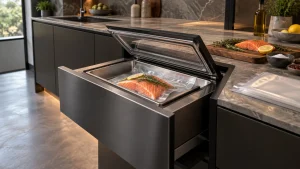
This reference helps organize useful information before vacuum seal drawer service.
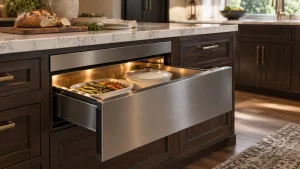
This reference helps organize useful information before warming drawer service.
Share a few details and we’ll confirm an appointment. Prefer to talk? Call us and we’ll help right away.